
Sewer Lines
Sewer line warning signs worth checking before winter
Gurgling toilets, slow drains in several rooms, sewer smells. What each sign usually means, and why fall is the right time to check your sewer line.
When a pipe bursts, the amount of damage depends far more on the next few minutes than on the size of the break. Water keeps coming as long as the house is under pressure, so everything below starts with stopping it. Read this now, while nothing is leaking, and the steps will be familiar if you ever need them.
Go straight to the main shutoff, the valve where the water line enters the house. In many Denver-area homes it's in the basement on the wall facing the street, in a utility room near the water heater, or in a crawlspace. If it's a lever handle, turn it a quarter turn so it sits across the pipe. If it's a round wheel, turn it clockwise until it stops.
Don't stop to look for the exact break first. Close the main, then figure out where the water came from.
If water is near outlets, extension cords, appliances or the electrical panel, keep out of the standing water. Turn off power to that area at the breaker panel only if you can reach the panel without stepping into water. If you can't, leave it and tell the utility or an electrician when you call.
Closing the main stops new water from coming in, but the pipes are still full. Open the cold water faucet at the lowest point in the house, like a basement sink or laundry tub, then a few faucets upstairs. That lets the water in the lines drain out through the faucets instead of the break, and it relieves the pressure on the damaged pipe.
If the break is on the hot water side or you've drained the hot lines, turn the water heater down so it isn't heating with no water coming in. On a gas heater, use the vacation or pilot setting on the control. On an electric heater, switch off its breaker. An electric heater that keeps running after its tank is drained can burn out its heating elements.
Call a plumber now, even if the water has stopped. A burst pipe has to be repaired before you can turn the water back on, and if it froze, there may be other weak spots along the same run. We answer the phone 24/7 for emergency plumbing at 720-916-7720, nights and holidays included, and we can talk you through the shutoff on the phone if you're having trouble finding it.
Move rugs, boxes, electronics and furniture out of the wet area. Start getting water up with towels, a mop or a wet vacuum. Take photos and video of the damage and the break before you clean up much; your insurance company will want to see them.
If the pipe froze, you may be tempted to warm it. With the main closed there's no rush, and the person who repairs it will want to see it. If you do warm a frozen pipe later, use a hair dryer or warm towels. Never use an open flame or a torch, and keep space heaters well away from water and anything flammable.
The single most useful thing you can do is find your main shutoff and make sure it works.
The valve at the street, sometimes called the curb stop, belongs to the water provider and usually needs a special key. The shutoff inside your house is the one you want.
Save our number in your phone while you're thinking about it. It's on our contact page, and it's the same number day or night.
Gurgling toilets, slow drains in several rooms, sewer smells. What each sign usually means, and why fall is the right time to check your sewer line.
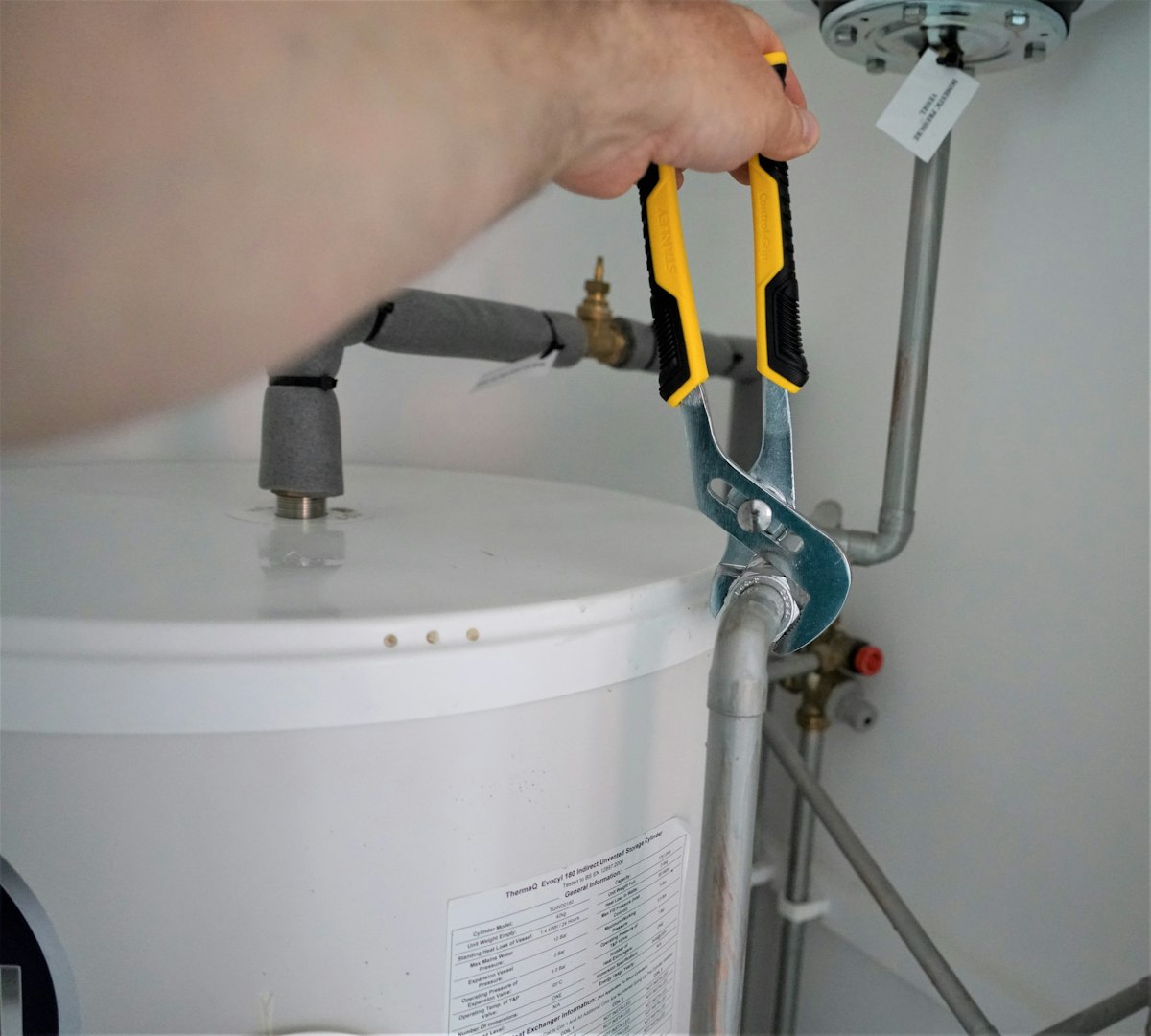
A ten-minute fall walk-around for your water heater: what to look at, what normal looks like, and when it's time to call a plumber in the Denver area.
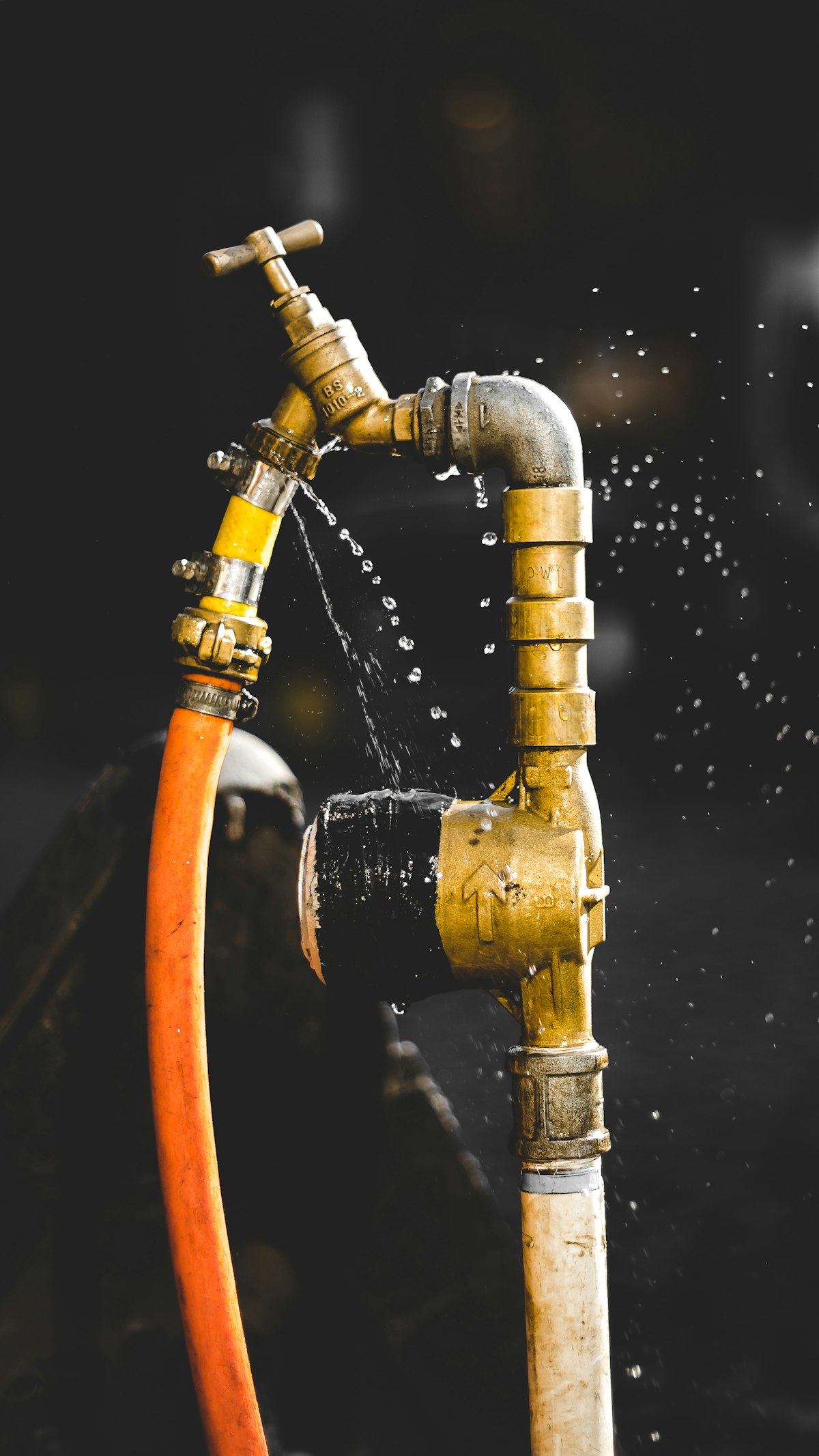
Disconnect hoses, close the indoor shutoff and check for drips. A plain checklist for winterizing outdoor faucets in Castle Pines and the Denver area.
A real person answers 24/7. Free estimates, quoted up front.