

Emergencies
What to do in the first ten minutes after a pipe bursts
A burst pipe, minute by minute: shut off the main, stay clear of electricity, drain the lines and limit the damage. Plus the one thing to do today.
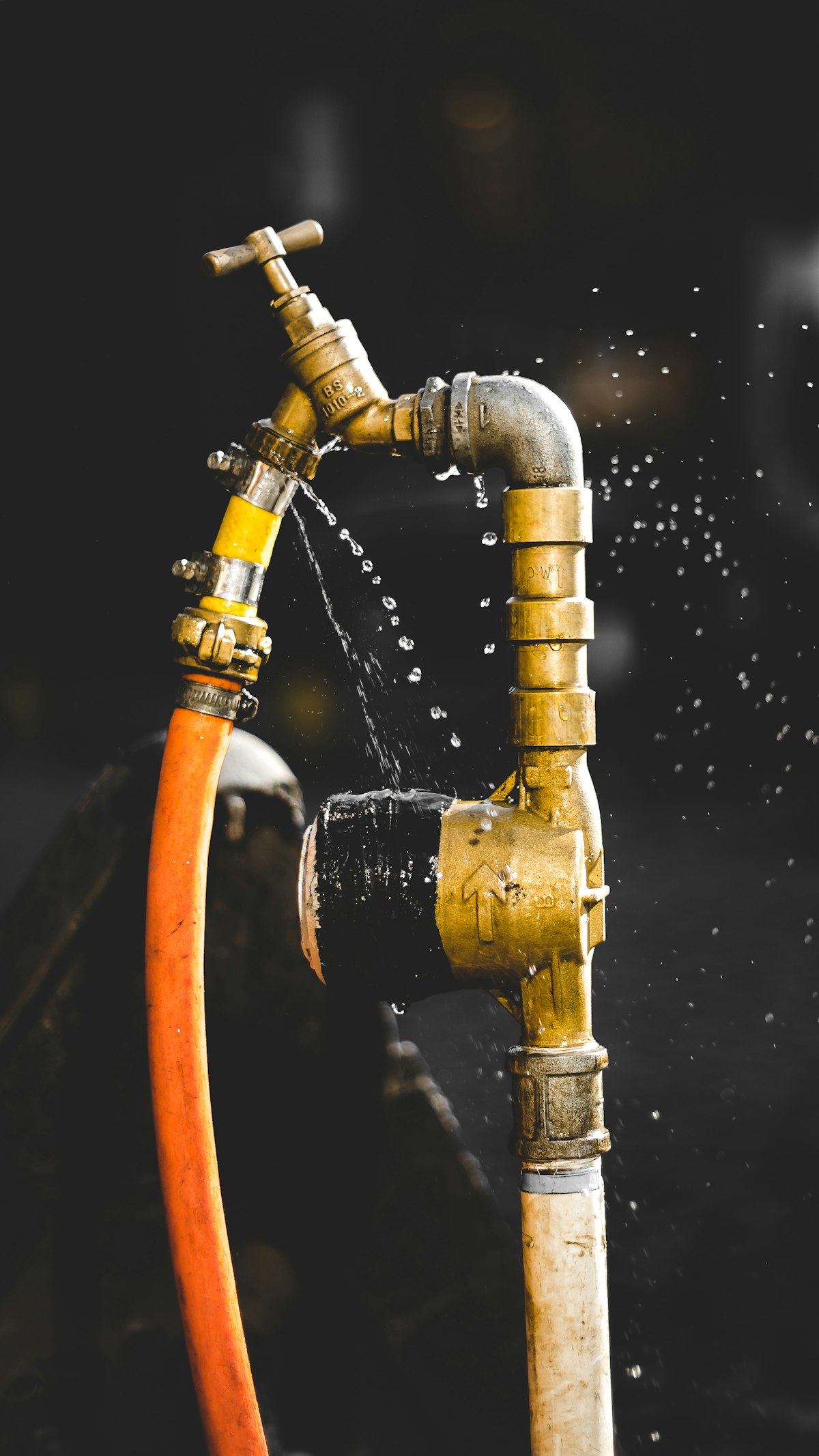
A garden hose left connected to an outdoor faucet is one of the most common reasons a spigot cracks over the winter. Water trapped in the hose has nowhere to go, so it backs up into the faucet, and when it freezes it expands against the pipe. The damage often stays hidden until spring, when someone turns the water on and it runs into the wall instead of out the spout.
Front Range nights can drop below freezing well before the leaves finish turning, so the time to do this is early October, not the evening a cold snap shows up in the forecast. It takes about fifteen minutes per faucet.
Many homes in the Denver area have frost-free faucets, sometimes called frost-free sillcocks. The handle is outside, but the valve that actually stops the water sits several inches to a foot or more inside the house, where it stays warm. When you close it, the short run of pipe between that valve and the spout drains out on its own, as long as nothing is plugging the end.
Older homes, and some additions and remodels, have a standard spigot instead. Its valve is right at the outside wall, so water sits in the pipe all the way to the spout. These need an indoor shutoff to be winterized properly.
To tell them apart, look inside behind the wall where the faucet comes through. A long brass body running back from the outside wall means a frost-free faucet. A separate valve on the line a few feet back from the wall, often in a basement ceiling or a utility room, usually means a standard spigot with its own interior shutoff.
This is the step that matters most for frost-free faucets. With a hose attached, the faucet can't drain, and the water left inside that long valve body can freeze inside your wall. Take off splitters, quick-connect fittings and hose timers too. Drain the hoses and store them where they won't sit in snowmelt.
If your faucet has an interior shutoff valve, close it all the way. Then go outside and open the spigot so the water in that section of pipe can run out. Some interior valves have a small cap on the side called a bleeder or drain cap. Put a bucket under it, open the cap to let the last of the water out, then close it again.
Leaving the outside handle open on a drained standard spigot gives any water left in the line room to expand instead of splitting the pipe. Frost-free faucets are different: close the handle normally, since they drain by design.
A faucet that keeps dripping after it's closed has a worn washer or valve seat. On a frost-free model, that drip means water is sitting in a part of the valve that's supposed to be empty, so it can freeze there.
While you're at it, check the wall around the outside faucet and the wall or ceiling directly behind it inside. Staining, bubbling paint or a damp smell can point to a crack from a previous winter that's been seeping ever since. If something doesn't add up, professional leak detection can find where the water is going before it rots framing or drywall.
Foam faucet covers are inexpensive and worth having, especially on north-facing walls that don't get winter sun. They help. They don't replace draining the line, so think of a cover as a second layer of protection, not the fix.
The supply line feeding an outdoor faucet often runs through a garage, crawlspace or the rim joist area of a basement, all of which get much colder than the living space. If you can see the pipe, look for missing insulation and for drafts where it passes through the wall. Foam pipe insulation and sealing obvious air gaps around the opening go a long way.
Frost-free faucets are designed to drain, but a few things defeat them. The most common is the hose left on. Another is a faucet installed level or tipped back toward the house, so water pools inside the valve body instead of running out the spout. A faucet that drips all winter keeps refilling itself, too. If you've had one split before, there's a good chance one of these is the reason, and putting in the same faucet the same way usually leads to the same result.
A split frost-free valve is often discovered on the first warm day of spring. The outside faucet seems to work, but some of the water ends up inside the wall or the basement. If you turn one on in spring and the flow seems weak, or you hear water where there shouldn't be any, shut it off and look inside before you run it again.
October is a far better time than January to replace a cracked or leaking spigot, add an indoor shutoff to an older one, or correct a faucet that was installed without enough slope. Outdoor spigots are part of our residential plumbing service, and we quote the job up front with a free estimate.
If a line does freeze and split this winter, close the main water shutoff to the house first, then call. We answer around the clock for emergency plumbing at 720-916-7720.
A burst pipe, minute by minute: shut off the main, stay clear of electricity, drain the lines and limit the damage. Plus the one thing to do today.

Gurgling toilets, slow drains in several rooms, sewer smells. What each sign usually means, and why fall is the right time to check your sewer line.
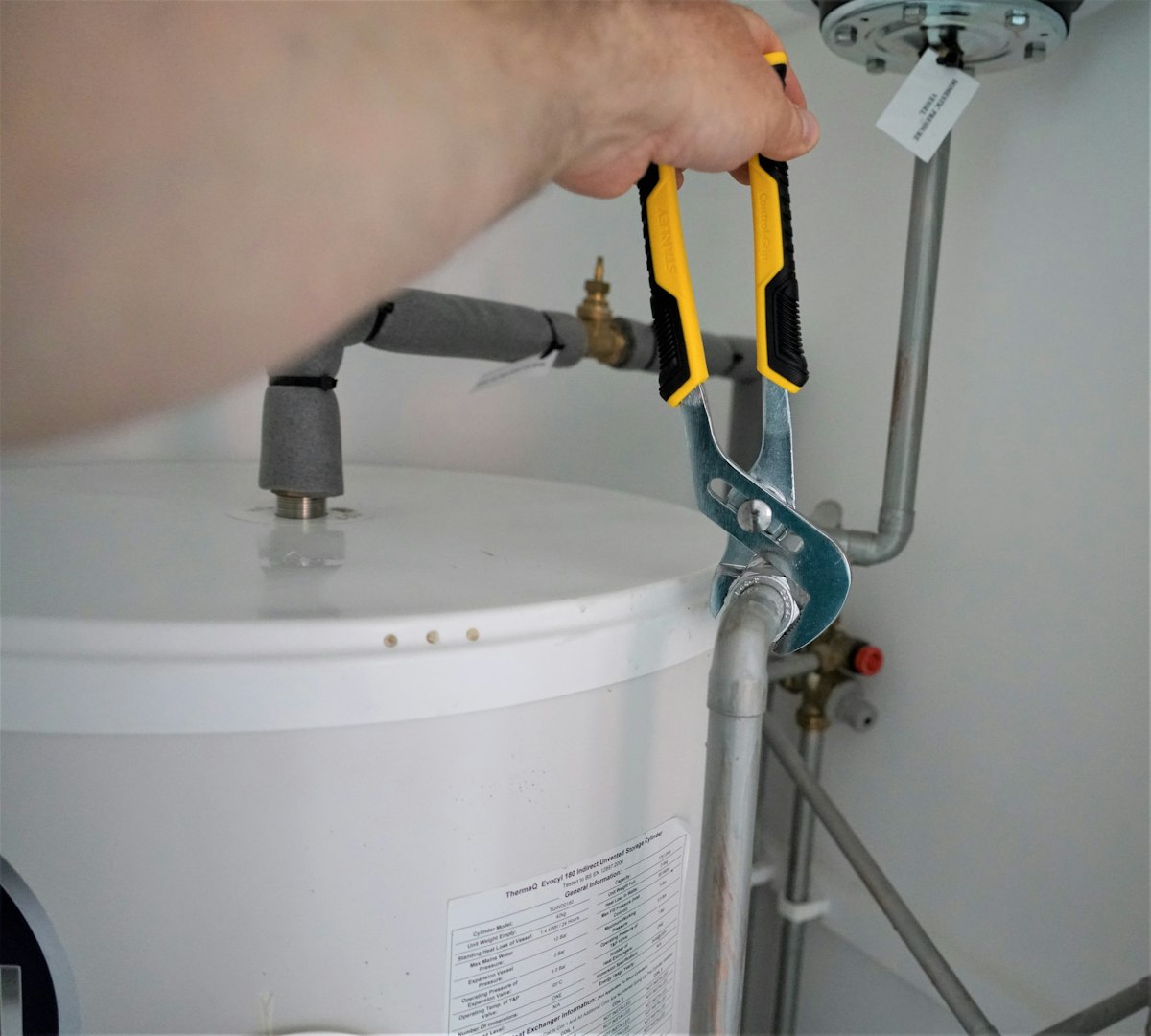
A ten-minute fall walk-around for your water heater: what to look at, what normal looks like, and when it's time to call a plumber in the Denver area.
A real person answers 24/7. Free estimates, quoted up front.