

Emergencies
What to do in the first ten minutes after a pipe bursts
A burst pipe, minute by minute: shut off the main, stay clear of electricity, drain the lines and limit the damage. Plus the one thing to do today.
Most sewer line problems announce themselves long before a backup. The trouble is that the early signs are easy to write off: a toilet that gurgles now and then, a basement drain that smells on humid days, a tub that takes a little longer to empty. Here are the questions homeowners ask us most about those signs, and what the answers usually are.
Two reasons. Repairs that involve digging are easier and quicker before the ground freezes. And the holidays put more water through the main line than most of the year, with guests showering, extra laundry and a kitchen running all day. A line that's only partly blocked tends to show it right when the house is full.
Usually not. A single slow sink or tub almost always has a local clog in that fixture's drain: hair and soap in a bathroom, grease and food in a kitchen. That's a job for drain cleaning, not a sewer repair.
The pattern changes the answer. If several drains slow down at the same time, especially on different floors, the blockage is more likely downstream of all of them, in the main line that carries everything out to the city sewer.
Gurgling happens when air is being pulled through the water in a trap because the drain isn't flowing freely. If the toilet gurgles when the washing machine drains or the shower runs, water from those fixtures is having trouble getting past something and is pushing or pulling air on its way. That can be a partial blockage in the main line or a problem with the plumbing vent on the roof. Either way, it's worth having checked before it gets worse.
Take that one seriously. When the main line is blocked, water from upstairs fixtures backs up and comes out at the lowest drain in the house, which is usually a basement floor drain, shower or toilet. It's one of the clearest signs of a main line problem.
Not necessarily. Every drain has a trap, a bend that holds a small amount of water to block sewer gas. In a guest bathroom or a basement floor drain that rarely gets used, that water can evaporate, and the smell comes straight up the empty trap. Pour a few cups of water into any drain you don't use often and see if the smell goes away over the next day.
If it doesn't, or the smell is outside near where the line runs, the cause may be a cracked pipe, a failed seal at a toilet, or a vent problem. Those take a closer look.
Yes. Roots grow toward water and nutrients, and a sewer line has both. They find their way in through cracks, loose joints and offsets, then spread inside the pipe and catch everything that comes down the line. Older pipe materials with more joints, like clay, are especially prone to it, but roots can get into any pipe that's been damaged.
Clearing roots with a cable machine opens the line back up, often for a good while. But the roots grew in through an opening, and they'll grow back through the same one. A backup that returns every few months is a strong hint that there's damage to deal with, not just a clog.
A patch of lawn over the sewer line that stays soggy or grows noticeably greener than the rest can mean the line is leaking underground. It isn't proof on its own, since irrigation and drainage patterns cause the same thing, but if it lines up with where your sewer line runs and you have any of the indoor signs above, mention it when you call.
A camera inspection sends a waterproof camera on a flexible cable through a cleanout and down the line, recording as it goes. It shows what's really in there: roots, cracks, sections that have shifted out of line, low spots where water sits, heavy grease, or a line that's simply clear. It also shows where and how deep a problem is, which is what decides whether the fix is a cleaning, a repair to one section, or replacement.
It's also the honest way to answer the question. Nobody should be quoting you a sewer replacement without having seen inside the pipe. Camera inspections, spot repairs and full replacements are all part of our sewer line services, and you'll see the footage before you decide anything.
Keep cooking grease out of the sink; let it cool and throw it in the trash. Don't flush wipes, including the ones labeled flushable, or paper towels and other products that don't break down the way toilet paper does. And if your house has a sewer cleanout, know where it is. It's usually a capped pipe sticking up in the yard, in the basement floor or near the foundation, and having it accessible makes any future work quicker.
If you're seeing any of these signs now, it's easier to look at it this fall than in January. Call 720-916-7720.
A burst pipe, minute by minute: shut off the main, stay clear of electricity, drain the lines and limit the damage. Plus the one thing to do today.
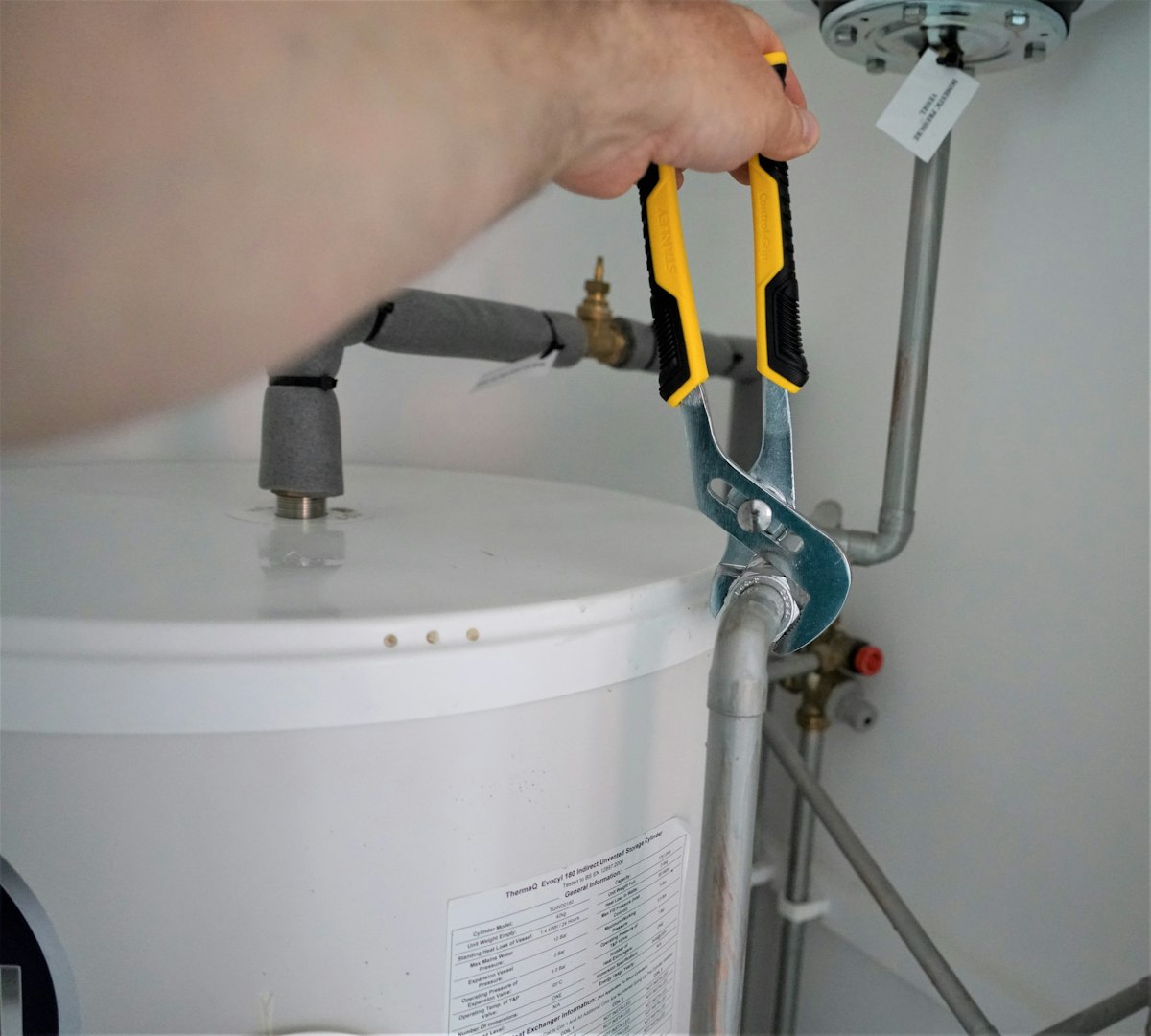
A ten-minute fall walk-around for your water heater: what to look at, what normal looks like, and when it's time to call a plumber in the Denver area.
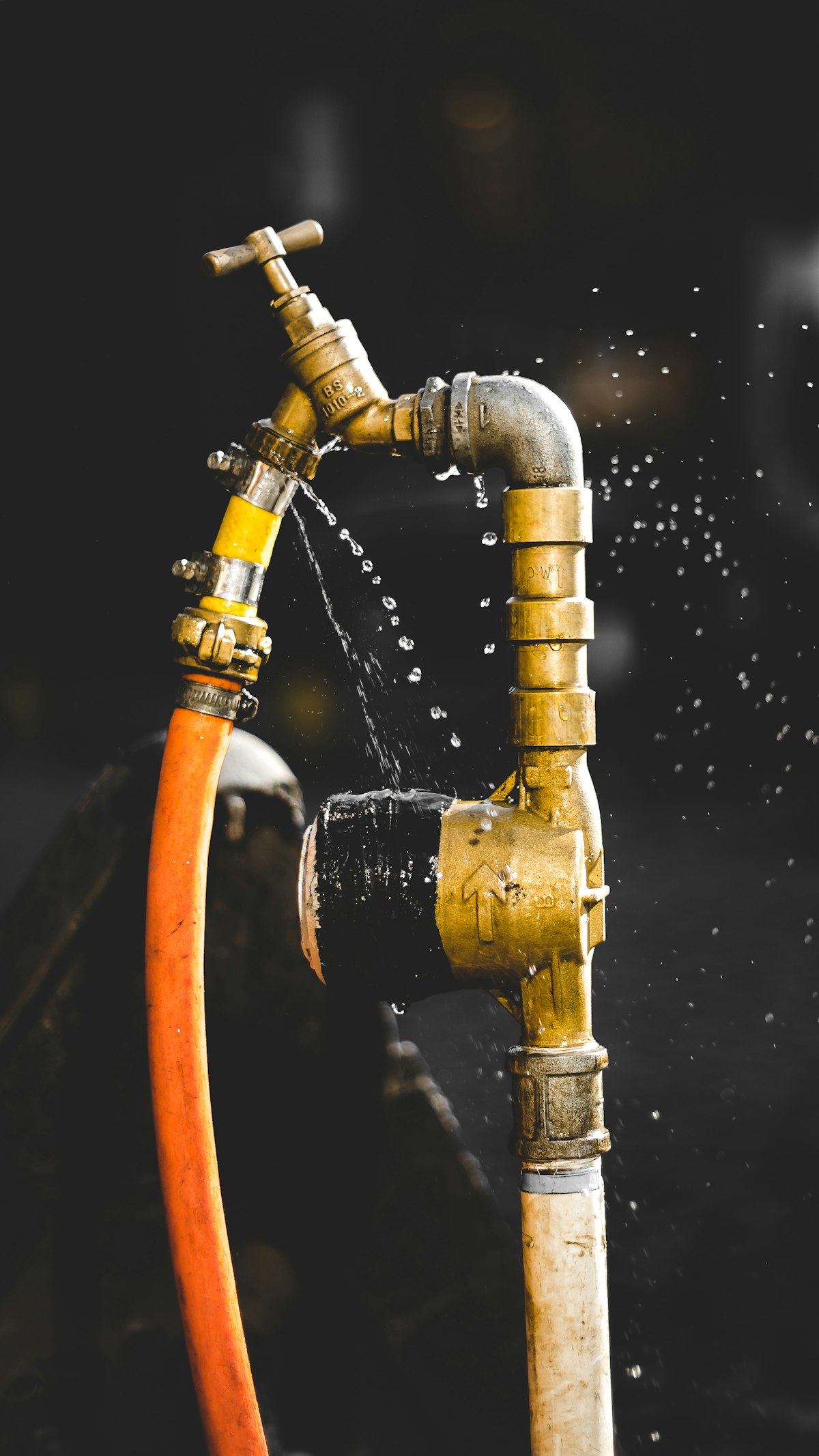
Disconnect hoses, close the indoor shutoff and check for drips. A plain checklist for winterizing outdoor faucets in Castle Pines and the Denver area.
A real person answers 24/7. Free estimates, quoted up front.